
The Cu Chi tunnel network stretches over 250 kilometers underground. That’s roughly the distance from Ho Chi Minh City to the Cambodian border — all of it dug by hand, with rice bowls and shovels, over the span of two decades. And somehow, the whole thing stayed hidden from an army with air superiority, infrared sensors, and chemical agents.
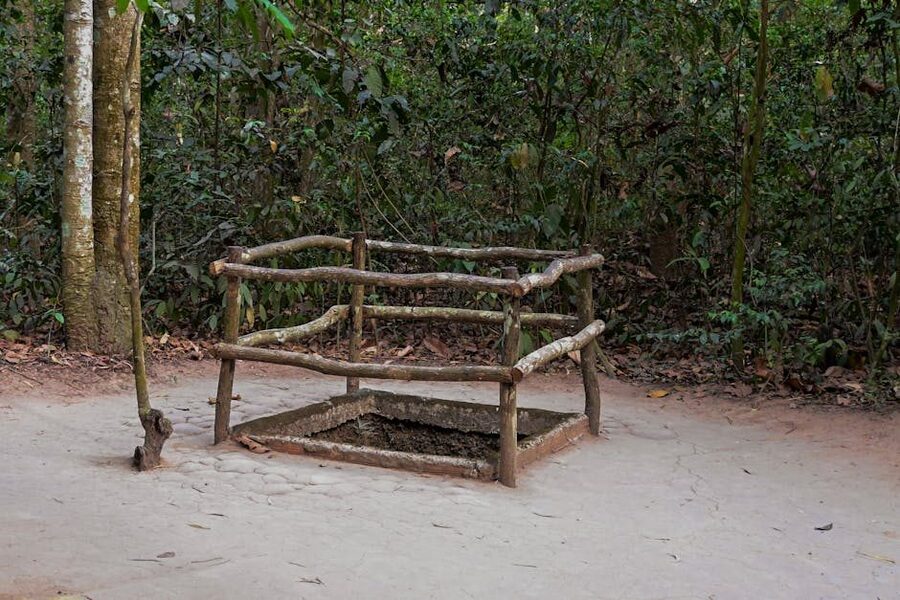
I’d read about the tunnels for years before actually going. The scale of the thing didn’t click until I was standing at a tunnel entrance watching a fellow visitor — maybe 5’5″ — completely disappear into the earth. The opening was the size of a manhole cover. That’s not an exaggeration.
Getting here from central Ho Chi Minh City takes about 90 minutes by road, and almost every tour handles the transport for you. The question isn’t whether to go — it’s how to book it, what type of tour to pick, and whether to combine it with the Mekong Delta (short answer: yes, if you have the full day).

Short on time? Here are my top 3 picks:
Best budget: Cu Chi Tunnels Luxury Tour (Half Day) — $15. The most reviewed Cu Chi tour on the market. Morning or afternoon departure, small group, done by lunch.
Best combo: Cu Chi Tunnels + Mekong Delta Luxury Tour — $33. Full day, two of southern Vietnam’s top sights in one trip. Hard to beat.
Best VIP: Cu Chi + Mekong Delta VIP by Limousine — $56. Limousine transfer, small group, premium lunch. Worth it if you want comfort.
- How the Official Ticket System Works
- Official Tickets vs Guided Tours — Which Makes More Sense?
- The 3 Best Cu Chi Tunnel Tours to Book
- 1. Cu Chi Tunnels Luxury Tour (Half Day) —
- 2. Cu Chi Tunnels + Mekong Delta Luxury Tour —
- 3. Cu Chi + Mekong Delta VIP Tour by Limousine —
- When to Visit the Cu Chi Tunnels
- How to Get to Cu Chi from Ho Chi Minh City
- Tips That Will Actually Save You Time
- What You’ll Actually See Inside
- Planning the Rest of Your Vietnam Trip
How the Official Ticket System Works
The Cu Chi Tunnels are run as a government-managed historical site, split into two separate locations: Ben Dinh and Ben Duoc.
Ben Dinh is closer to the city (about 60 km northwest of central Ho Chi Minh City) and gets the bulk of the tour groups. The tunnels here have been widened for visitors, which means you can actually fit through them without scraping your shoulders. There are documentary screenings, booby trap demonstrations, a shooting range, and recreated underground quarters. It’s well-organized but can get packed by mid-morning.
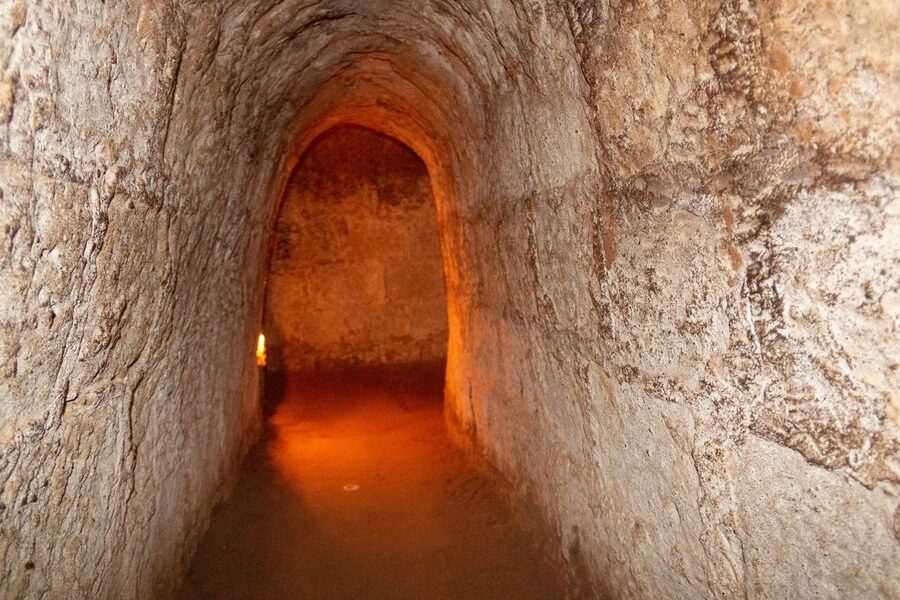
Ben Duoc is further out (about 70 km) and much quieter. It covers 100 hectares versus Ben Dinh’s 17, the tunnels are narrower and less modified, and there’s a memorial temple that most visitors find more powerful than anything at Ben Dinh. If you’re not claustrophobic and want the more “real” experience, Ben Duoc is the one to pick. But most group tours go to Ben Dinh, so you’ll need a private tour or your own transport for Ben Duoc.
Entry fees: Around 125,000 VND (roughly $5 USD) per person at either site. Hours are 7:00 AM to 5:00 PM daily, no exceptions. The shooting range costs extra — about $3 per bullet for AK-47s and M16s (yes, real ones).
If you want to book directly, you technically can just show up and pay at the gate. But getting there independently is the annoying part. Public buses exist (Bus 13 or 94 to Cu Chi Bus Station, then transfer to Bus 79 for Ben Duoc or Bus 63 for Ben Dinh), but the full journey takes 2.5-3 hours each way and involves two transfers. A Grab taxi runs about $60 round trip. For most people, a tour is the obvious move.
Official Tickets vs Guided Tours — Which Makes More Sense?
Here’s the honest breakdown.
Going independently makes sense if you want Ben Duoc (where fewer tours go), if you’re renting a motorbike anyway, or if you genuinely prefer zero structure. You’ll save money on the tour fee but spend it on transport. And the tunnel sites don’t have great English signage, so you’ll be guessing at a lot of the historical context.
Booking a tour is better for most visitors. The guides at Cu Chi are typically Vietnamese and many have family connections to the tunnels’ history. That personal angle adds a lot. Transport is sorted, you skip the bus transfers, and the good tours include bottled water and sometimes lunch. Most half-day tours run about 5-6 hours door to door, with 2-2.5 hours at the tunnels themselves.
The price difference is minimal. A tour at $15-33 versus DIY at $5 entry + $60 Grab = the tour wins on cost unless you’re a group of 4+ splitting a taxi.
If you have a full day, the Cu Chi + Mekong Delta combo tours are the best value in Ho Chi Minh City. Two major sights, one day, one price. I’d recommend those for anyone who isn’t pressed for time.
The 3 Best Cu Chi Tunnel Tours to Book
I went through the top-reviewed Cu Chi tours and narrowed it down to three. These cover budget, mid-range, and VIP — all with perfect ratings and thousands of verified reviews.
1. Cu Chi Tunnels Luxury Tour (Half Day) — $15
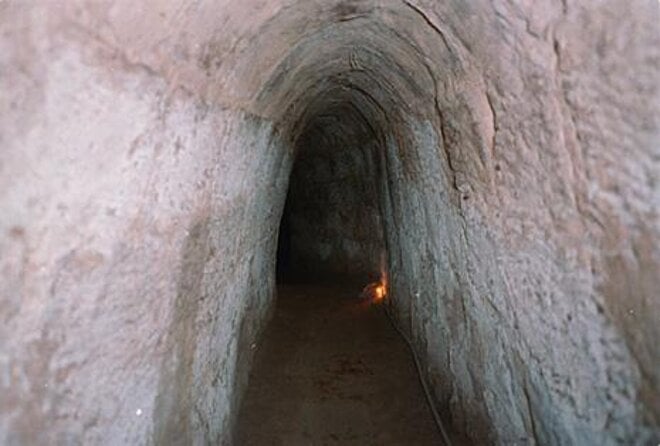
At $15 per person, this is the cheapest way to see the tunnels with a guide, and it happens to be the most popular too. Over 15,800 reviews and a perfect 5.0 rating — that kind of consistency doesn’t happen by accident. You pick morning or afternoon departure, get picked up from your hotel in District 1, and you’re back in time for dinner (or lunch, if you take the morning slot).
The tour hits Ben Dinh, which is the more accessible of the two tunnel sites. Your guide walks you through the tunnel sections, explains the booby trap systems, and gives historical context that you’d completely miss going solo. You get to crawl through a section of tunnel yourself — optional, but you’d regret skipping it. The group sizes stay small, which makes a real difference when you’re underground.
This is the one I’d pick for a first visit. It’s no-frills, well-paced, and at fifteen bucks you really can’t argue with the value.
2. Cu Chi Tunnels + Mekong Delta Luxury Tour — $33
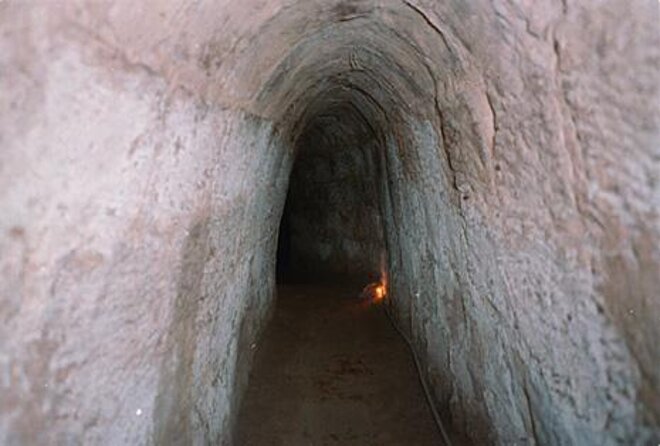
This is the one I recommend most. For $33, you get both the Cu Chi Tunnels and the Mekong Delta in a single day, and you don’t feel rushed at either stop. The morning is spent underground at Cu Chi, and after lunch (included) you’re on a boat cruising through the Mekong’s palm-lined canals, visiting coconut candy workshops and fruit orchards. Two completely different experiences, one long day.
It’s a solid 10-12 hours, so don’t book this if you’re exhausted from a red-eye. But if you’re only in Ho Chi Minh City for 2-3 days, this combo tour lets you tick off both major day trips without burning two separate days. The Mekong section alone would cost you $25-30 as a standalone tour, so the combined price is genuinely good.
Over 7,300 reviews, 5.0 rating. The guides on this route tend to be excellent because they need to handle both war history and rural delta culture in the same day.

3. Cu Chi + Mekong Delta VIP Tour by Limousine — $56
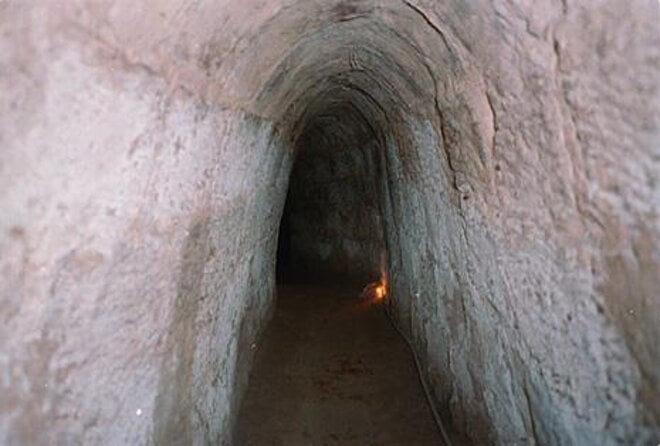
Same Cu Chi + Mekong itinerary as above, but with a proper limousine van, smaller group cap, and a premium lunch instead of the standard one. At $56 it’s still remarkably affordable by international standards — you’d pay three times that for a comparable VIP day trip in Europe.
The limousine makes the 90-minute drive to Cu Chi significantly more comfortable. Air-conditioned, spacious, no rattling minibus. If you’re traveling with older family members or just want a more relaxed pace, the extra $23 over the standard combo is well spent. The lunch is also a real sit-down meal rather than a quick tourist-menu stop.
7,050+ reviews and a perfect rating. This is the “treat yourself” option, and honestly at $56 for a full-day VIP experience, it still feels like a steal.
When to Visit the Cu Chi Tunnels
The tunnels are open 7:00 AM to 5:00 PM, every single day. No seasonal closures, no holiday shutdowns.
Best months: November through April is the dry season. Skies are clear, the trails around the tunnel site aren’t muddy, and the heat is slightly more manageable (emphasis on “slightly” — it’s still Ho Chi Minh City). December and January are the most comfortable months weather-wise.
Worst months: June through September is peak rainy season. You won’t get rained out — the tunnels are underground, obviously — but the outdoor walking paths between tunnel sections get slippery, and the humidity underground goes from “uncomfortable” to “suffocating.” Morning tours are better in rainy season since the heavy downpours tend to hit in the afternoon.
Best time of day: Book the morning slot. The site opens at 7 AM and the first tour groups arrive around 8:30-9:00. By 10:30 the parking lot is full and the tunnel sections get congested. Afternoon tours are quieter but hotter. If you’re doing a combo tour that includes the Mekong Delta, most leave at 7:00-7:30 AM, which works perfectly.
Weekdays vs weekends: Weekdays are noticeably less crowded. Saturday mornings are the worst — domestic tour groups from the city join the international travellers and the tunnel sections back up.
How to Get to Cu Chi from Ho Chi Minh City
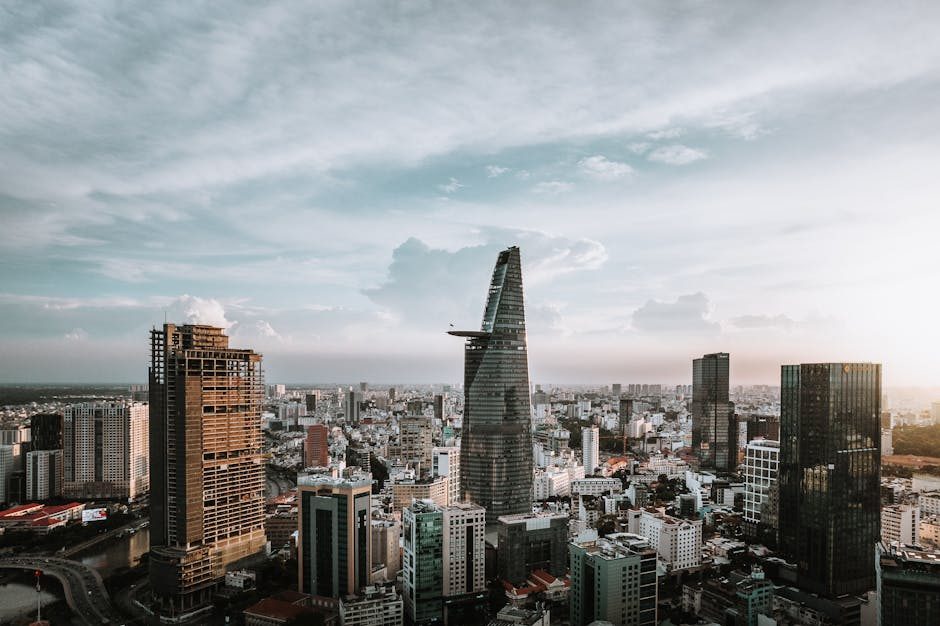
The Cu Chi Tunnels sit roughly 70 km northwest of central Saigon. Here’s every way to get there:
By tour (recommended): Every tour listed above includes hotel pickup from District 1 and drop-off. The drive takes about 90 minutes each way. You sit in air conditioning, your guide gives context during the drive, and you don’t have to think about navigation. This is how 90%+ of visitors get there.
By Grab/taxi: A Grab car from District 1 to Ben Dinh costs around 500,000-700,000 VND ($20-28 USD) one way. The problem is the return — there aren’t many Grab drivers waiting at Cu Chi, so you might wait 20-30 minutes for a pickup, or negotiate with a local taxi. Round trip, budget $50-60. Only makes sense if you’re a group of 3-4 splitting the cost.
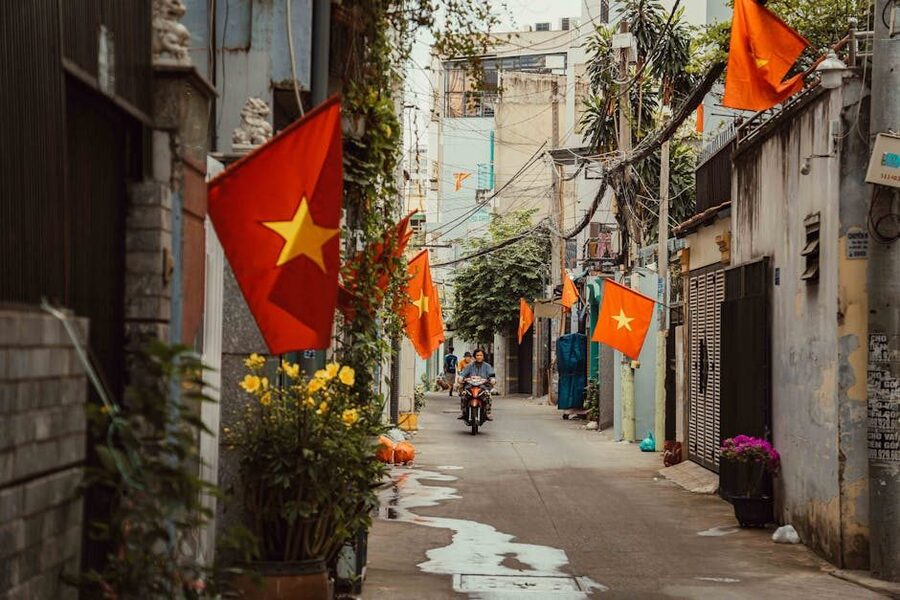
By public bus: Take Bus 13 from Ben Thanh Market to Cu Chi Bus Station (about 1.5 hours), then transfer to Bus 79 (Ben Duoc) or Bus 63 (Ben Dinh). Total journey: 2.5-3 hours, under $2 total. Buses run every 20-30 minutes. It’s cheap but tedious, and the last return bus leaves Cu Chi around 5 PM, so don’t linger.
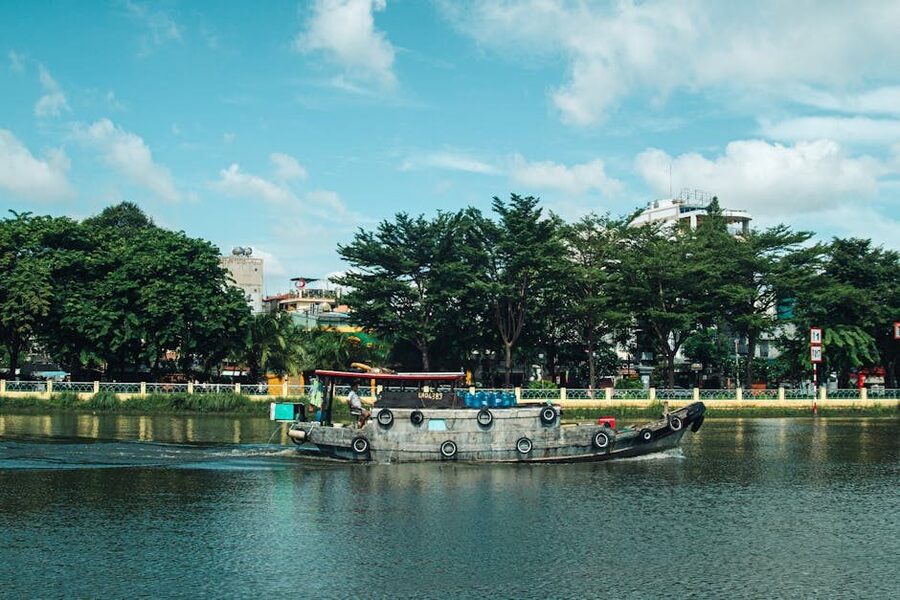
By speedboat: Some operators run a speedboat from Tan Cang pier to Cu Chi along the Saigon River. It takes about 75 minutes and it’s genuinely scenic. The VIP limousine tours sometimes offer a boat option too. Worth considering if you want something different, but availability varies by season.
By motorbike: If you’re comfortable riding in Vietnamese traffic (no judgment if you’re not — it’s intense), the ride out on Highway 15 takes about 90 minutes. Parking at the tunnels is free. The road is straightforward once you’re past Cu Chi town.
Tips That Will Actually Save You Time
Wear closed-toe shoes. Not sandals, not flip-flops. The walking paths have roots, mud (in rainy season), and uneven ground. Inside the tunnels you’re crouching and shuffling — anything that might slip off your feet is a bad idea.
Long pants are worth it. Yes, it’s hot. But the tunnel entrances are surrounded by tropical scrub and the mosquitoes are aggressive. Long lightweight pants and insect repellent beat shorts and red welts.
Bring water but leave the big bag. You can’t take large backpacks into the tunnel sections. A small daypack or crossbody is fine. Most tours provide bottled water, but bring your own just in case.
The shooting range is optional and loud. You can fire AK-47s, M16s, and other weapons from the war era. It’s about $3 per bullet (you buy a minimum clip). If you’re not interested in guns, just walk past — there’s no pressure. But the noise carries, so expect loud cracks from that direction throughout your visit.

Don’t skip the tapioca tasting. At the end of most tours, you’ll be offered cassava (tapioca) boiled in a big pot, served with crushed peanuts and pandan tea. It’s the same food that sustained fighters in the tunnels for years. It’s simple, starchy, and oddly filling. And it’s free.
If you’re claustrophobic, be honest about it. The tourist tunnels have been widened, but they’re still tight. The ceiling is about 1.2 meters high (you’re crouching the whole time), and some sections run 50-100 meters without an exit. Multiple exit points exist along the route so you can bail out early if you need to. Nobody will judge you.
Sunscreen first, repellent second. Apply sunscreen 15 minutes before you go outside, then layer mosquito repellent on top. The outdoor portions of the site — between tunnel sections, around the displays — are fully exposed. A hat helps too.
What You’ll Actually See Inside
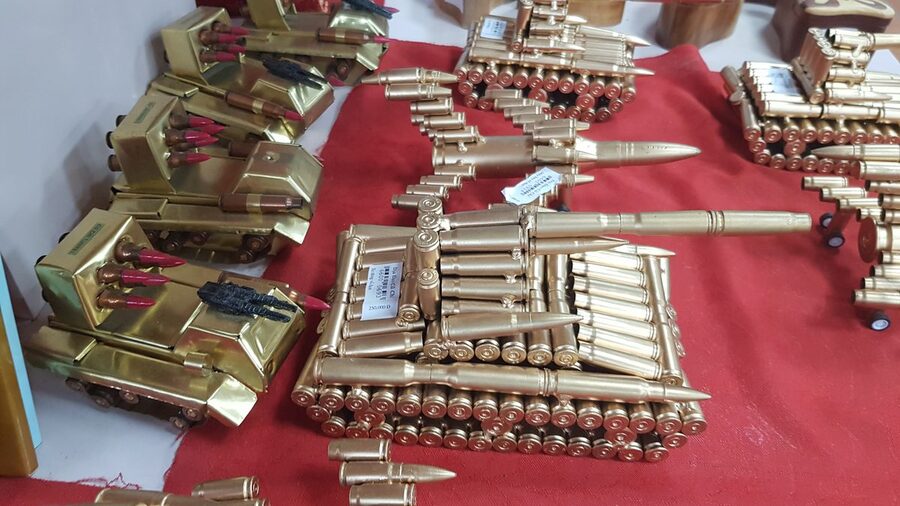
The Cu Chi tunnel system wasn’t just a hiding place. It was an underground city. At its peak, the network included sleeping quarters, kitchens, weapons factories, hospitals, and a command center. People lived down there for months at a time during the heaviest bombing campaigns.
The tour walks you through recreated sections of all of this. You’ll see the Hoang Cam kitchen — a stove system designed to disperse cooking smoke through multiple ground-level vents so it wouldn’t give away the tunnel’s location from the air. The smoke would spread along the jungle floor and mix with morning mist. That’s the kind of ingenuity that’s hard to appreciate until you’re standing next to one.
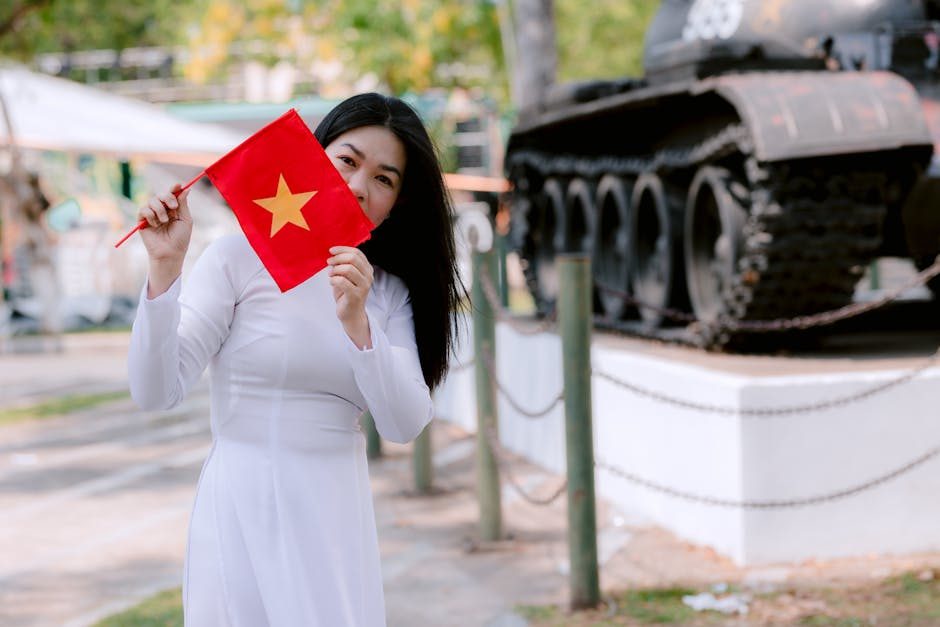
You’ll also see the booby trap displays — metal-and-bamboo contraptions designed to injure pursuers who tried to follow fighters into the tunnels. They’re unsettling. The guides explain each one matter-of-factly, which somehow makes it worse. This isn’t a sanitized museum experience.
The tunnel crawl is the highlight for most visitors. You enter one of the widened tourist tunnels (the originals were even narrower — about 80cm wide and 60cm tall) and shuffle forward in a crouch. The air gets thick fast. It’s pitch dark except for dim lights spaced along the ceiling. The tunnel sections available to travellers range from 10 to 100 meters. You choose how far you want to go, and there are exit hatches every 20 meters or so.
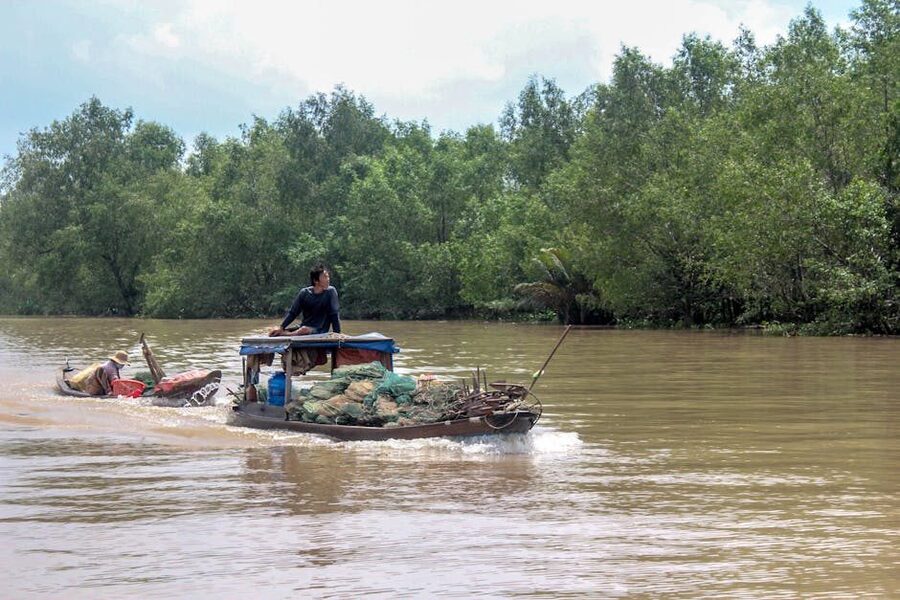
Most tours include a short documentary screening at the start. It’s old propaganda footage from the war era, narrated in English. It’s one-sided by design, but it provides context for what you’re about to see. Worth watching even if the production quality is dated.
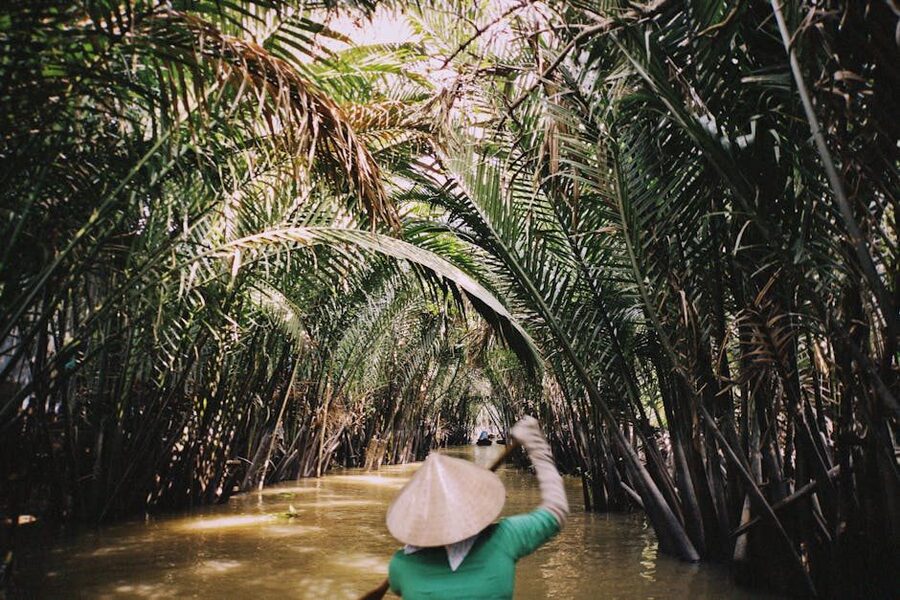
If you’re doing one of the Cu Chi + Mekong Delta combo tours, the afternoon shift from war history to floating markets, coconut candy workshops, and sampan rides through palm-canopied canals is quite the tonal change. But it works. You see two sides of southern Vietnam in a single day.
Planning the Rest of Your Vietnam Trip
This is our first Vietnam guide, and more are on the way. If you’re building out a longer Southeast Asia itinerary, we’ve got a full set of Thailand booking guides already published. The Bangkok floating market and train market tour is a good pairing if you’re flying Bangkok to Ho Chi Minh City, since both cities have strong day-trip cultures. The Bangkok food tour guide covers the same kind of street-food-and-culture experience you’ll find in Saigon’s District 4.
For something completely different, the Bangkok canal tour by longtail boat has surprising parallels to the Mekong Delta — narrow waterways, stilted houses, and a side of the city that most travellers miss. And if you’ve caught the history bug from Cu Chi, the Ayutthaya day trip from Bangkok takes you through Thailand’s ancient capital, which is a different kind of ruin but equally striking. We’ve also covered Bangkok’s Grand Palace and temple circuit, the Chao Phraya dinner cruise, Chiang Mai elephant sanctuaries, Thai cooking classes, Phi Phi Islands from Phuket, and the Phang Nga Bay James Bond Island tour. More Vietnam guides are coming soon — keep checking back.