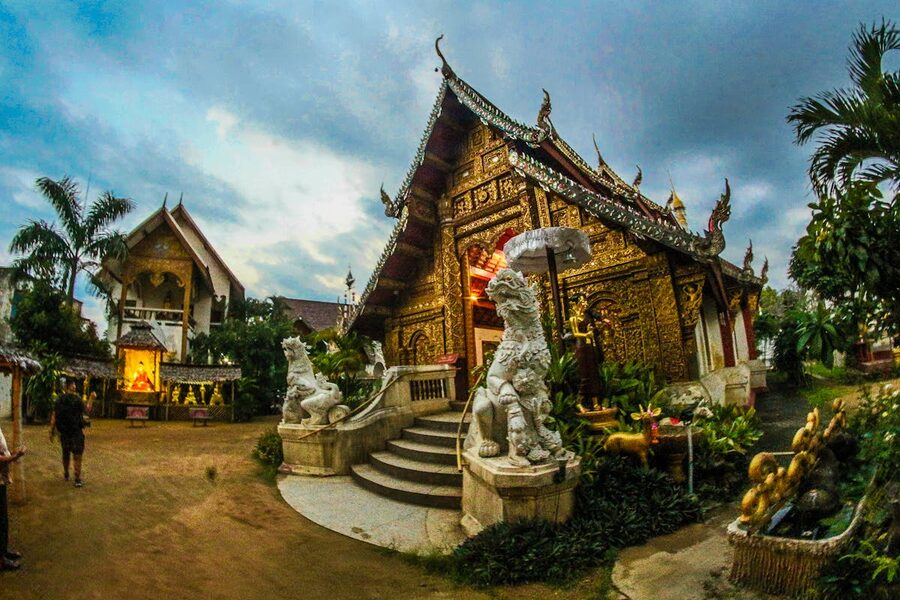
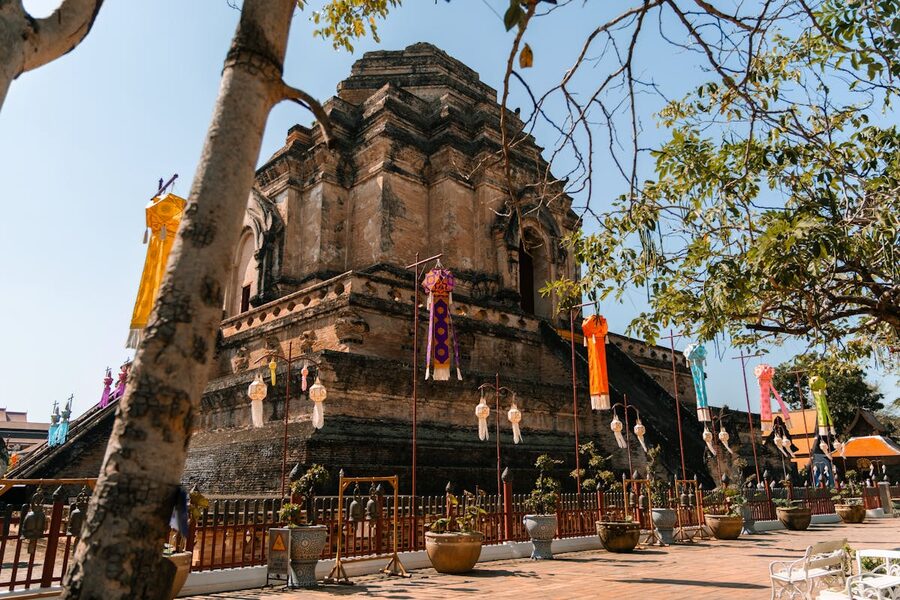
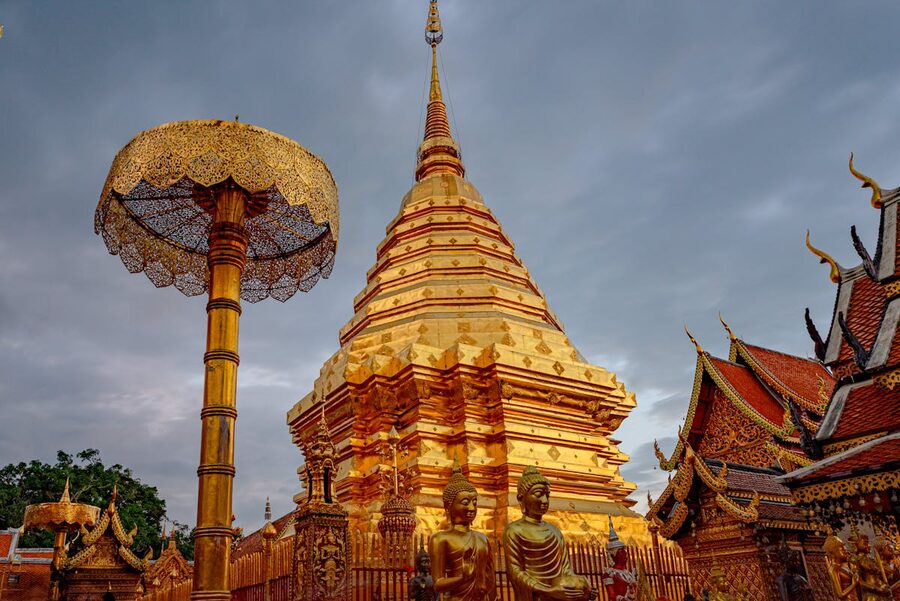
One morning you are walking through a 700-year-old temple in Chiang Mai, incense drifting past gold-leaf Buddhas, monks chanting somewhere behind a stone wall. The next morning you are strapped into a harness, standing on a wooden platform 40 meters above the jungle floor, about to step off the edge and fly 300 meters through the rainforest canopy at 60 km/h. Thailand does contrasts like no other country.
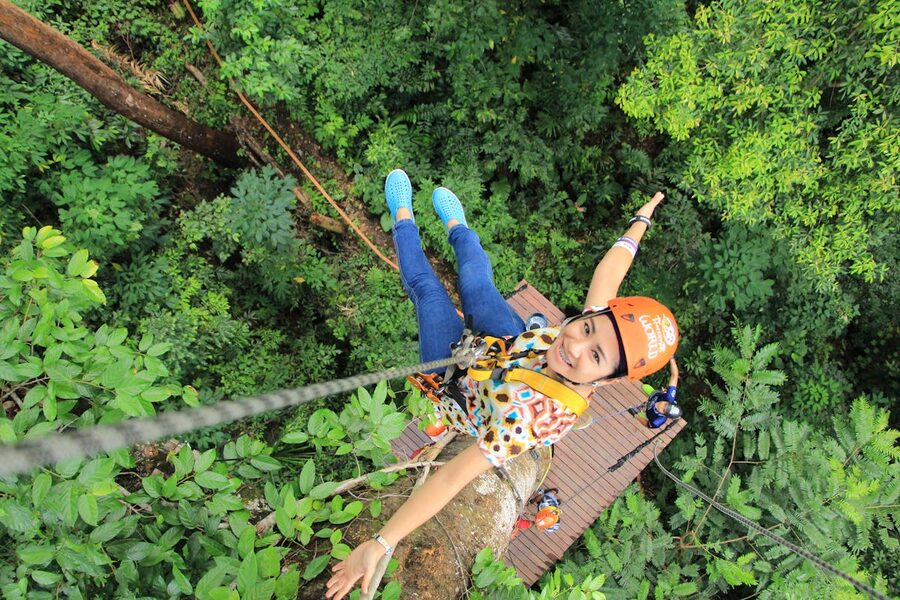
Zipline parks have become one of the most popular adventure activities in Thailand, and the two biggest names are in completely different parts of the country. Chiang Mai has Kingkong Smile — home to some of the highest and longest lines in Asia. Phuket has Flying Hanuman — a more theatrical experience built through old-growth rainforest. Both are excellent. Both are worth booking. And they are different enough that doing both on the same trip is not redundant.
Short on time? Here are my top picks:
Best in Phuket: Flying Hanuman Zipline Experience — $49. Perfect 5.0 rating from 1,500 reviews. Up to 42 platforms through 80,000 sqm of rainforest.
Best in Chiang Mai: Kingkong Smile Zipline — $61. Asia’s highest zipline platforms, lunch included, hotel transfers from the city center.
- How Zipline Parks in Thailand Work
- Chiang Mai vs Phuket — Which Zipline Park Should You Pick?
- The Best Zipline Tours to Book in Thailand
- 1. Flying Hanuman Zipline Experience (Phuket) —
- 2. Kingkong Smile Zipline with Lunch and Transfers (Chiang Mai) —
- When to Go Ziplining in Thailand
- How to Get to Each Park
- Tips for Your Zipline Day
- What the Experience is Actually Like
- Planning the Rest of Your Thailand Trip
How Zipline Parks in Thailand Work
Both Kingkong Smile and Flying Hanuman follow a similar format. You book online, get picked up from your hotel, drive to the park (usually 30-45 minutes outside the city center), go through a safety briefing, get fitted with a harness and helmet, and then spend 2-3 hours moving through a course of ziplines, sky bridges, and platforms built into the trees.
You do not need any experience. The staff clips you onto dual-cable safety lines at every platform, and the actual ziplining is gravity — you step off and fly. The scariest part is the stepping off. After the first two lines, most people are grinning and asking when the next one comes.
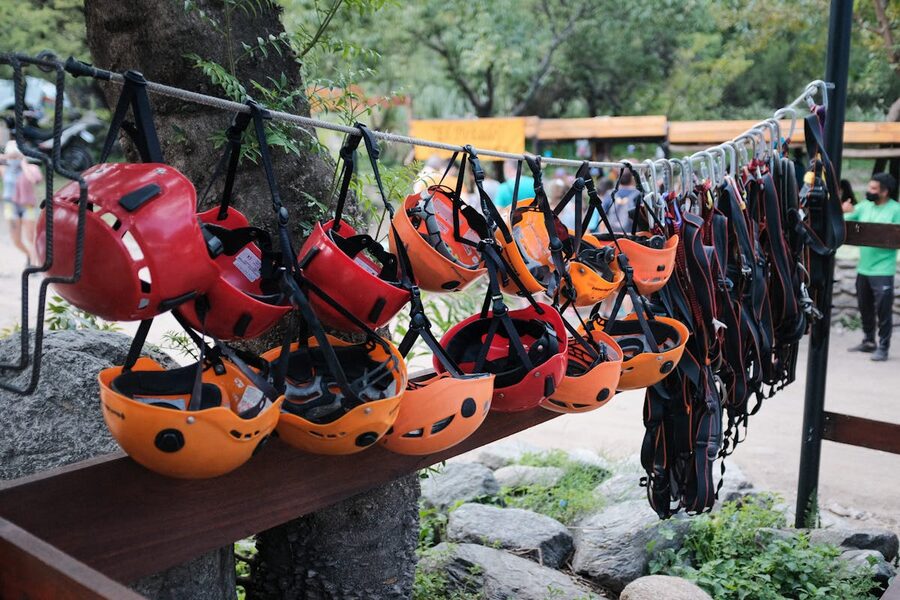
Both parks include hotel pickup and drop-off, all safety equipment, drinking water, and insurance. Kingkong Smile includes lunch. Flying Hanuman has a restaurant on-site where you can eat after (not included in the base price but the food is decent and cheap). If you are planning a full day, consider pairing your Phuket zipline morning with an afternoon old town walking tour, one of the Phang Nga Bay boat trips, or the ATV jungle adventure on a different day.
Prices range from about $49 to $61 depending on the park and package. Both represent good value for a half-day adventure — try finding a comparable zipline experience in Costa Rica or New Zealand for that price.
Chiang Mai vs Phuket — Which Zipline Park Should You Pick?
This depends on where you are in your trip and what you want out of the experience.
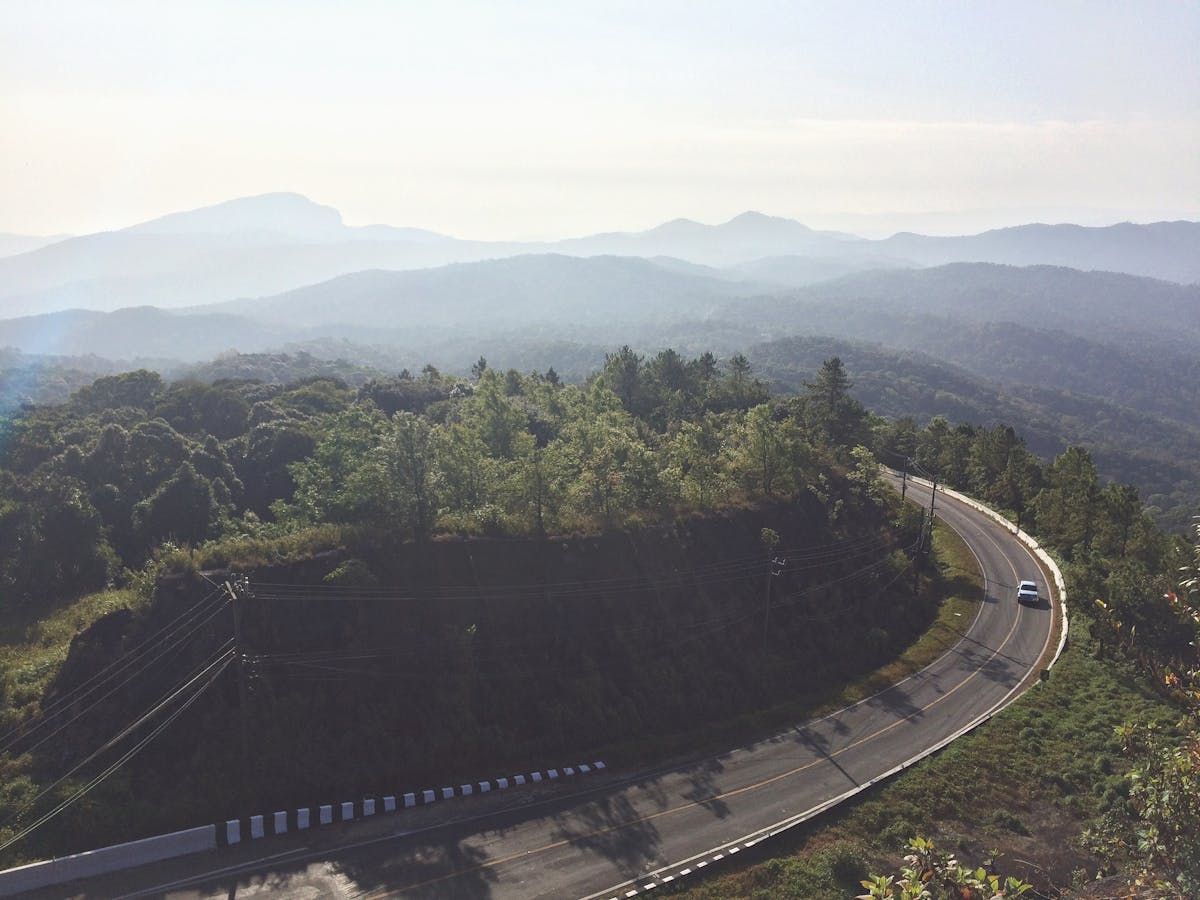
Pick Chiang Mai (Kingkong Smile) if: You want the biggest, highest, most adrenaline-heavy experience. Kingkong Smile claims to have the highest zipline platforms in Asia, and the mountain setting means you are flying over valleys with genuine drops below you. The scenery is more dramatic — misty hills, teak forest, mountain ridgelines. It also includes lunch and the overall experience runs about 6 hours. Chiang Mai’s other big adventure day is an elephant sanctuary visit, and doing one of each on consecutive days is the best two-day stretch in northern Thailand.
Pick Phuket (Flying Hanuman) if: You want a more polished, story-driven experience. Flying Hanuman is built around a narrative — the course is designed as a journey through the forest, with themed platforms and a more theatrical presentation. The rainforest setting is denser and more tropical. The dual ziplines (two people flying side-by-side) are a nice touch for couples. And that perfect 5.0 rating from 1,500 reviews is not an accident — the staff and guides are consistently excellent.
If you are visiting both cities: Do both. They are different enough to justify it. Kingkong Smile is raw adventure. Flying Hanuman is polished adventure. Both deliver.
The Best Zipline Tours to Book in Thailand
1. Flying Hanuman Zipline Experience (Phuket) — $49
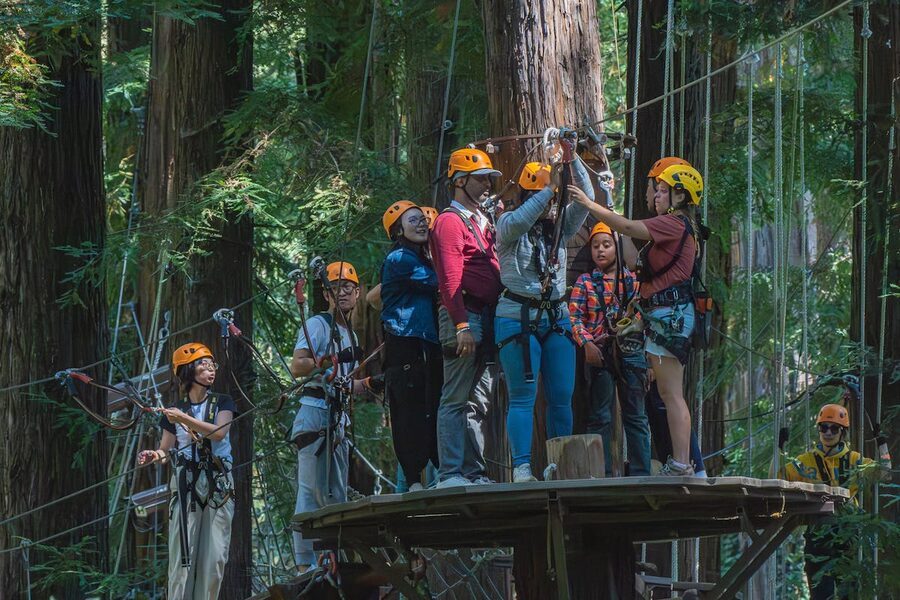
A perfect 5.0 from 1,500 reviews. I have seen very few tour products anywhere in the world hold that rating at that volume. Flying Hanuman sits in 80,000 square meters of old-growth rainforest in Kathu, about 25 minutes from Patong Beach. The course includes up to 42 platforms — ziplines, sky bridges, spiral staircases around trees, abseil points, and dual lines where two people fly side by side.
The longest zipline is 400 meters. The park uses a dual-cable redundancy system, meaning you are always attached to two lines. Kids from age 4 can participate (with a parent), making this genuinely family-friendly. At $49, it is honestly underpriced for what you get. The park operates daily from 8am to 5pm with multiple session times.
2. Kingkong Smile Zipline with Lunch and Transfers (Chiang Mai) — $61

Chiang Mai’s top zipline experience, with 1,320 reviews and a 4.8 rating. Kingkong Smile is about 45 minutes north of the Old City, up in the mountains surrounding Chiang Mai. The mountain location means cooler temperatures than Phuket (a genuine advantage if you are visiting in the hot months) and more dramatic vertical drops.
The package includes hotel pickup from Chiang Mai, the zipline course, a Thai lunch, and return transfer — about 6 hours total. The course features some of the highest platforms of any commercial zipline in Asia. At $61 with lunch included, it is excellent value. The only reason it is not ranked #1 is that Flying Hanuman’s perfect rating is genuinely hard to beat.
When to Go Ziplining in Thailand
Both parks operate year-round, including during the rainy season. That said, the experience is better in certain months.
Best months overall: November through February. Cooler temperatures (especially in Chiang Mai, where mornings can drop to 15-20 degrees), less rain, and clear skies. This is peak tourist season, so book a few days ahead.
Hot season (March-May): Fine for ziplining — you are in the shade of the canopy most of the time. Bring extra water. The heat is manageable because you are not hiking — you are standing on platforms and flying through air. Chiang Mai can hit burning season in March-April though, when agricultural fires make the air hazy and sometimes unpleasant.
Rainy season (June-October): Both parks run rain or shine. Light rain actually makes the forest more atmospheric — the mist, the smell of wet leaves, the sound of water on the canopy. Heavy rain means they will pause the course until it passes. I would not cancel a booking because of rainy season, but I would book the earliest morning slot to dodge afternoon storms.
Both parks offer morning sessions (usually 8-9am start) and afternoon sessions (12-1pm start). Morning is better. Cooler, fewer crowds, and you are done by lunch — leaving the afternoon free for a cooking class if you are in Chiang Mai.
How to Get to Each Park
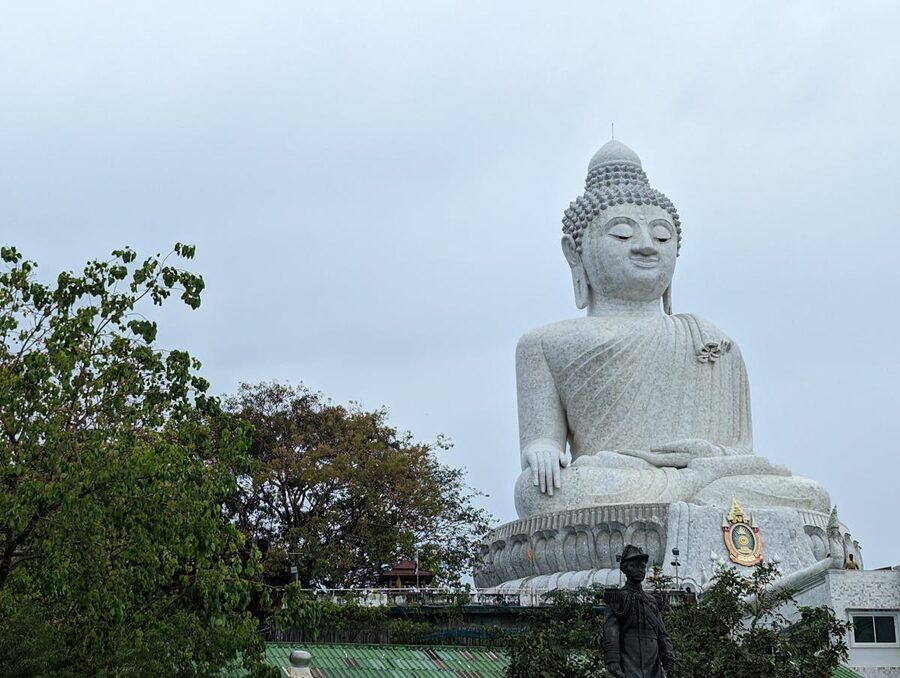
Flying Hanuman (Phuket): Located in Kathu district, about 25 minutes from Patong Beach, 35 minutes from Phuket Town, and 50 minutes from the airport. Hotel pickup is included with every booking — they will come get you wherever you are staying in Phuket. The park address is 89/16 Moo 6, Wichitsongkram Road, Kathu.
Kingkong Smile (Chiang Mai): About 45 minutes north of the Old City, up in the hills. Again, hotel pickup is included. The drive through the mountains is actually pretty scenic — winding roads through teak forest with occasional views over the valley. If you are driving yourself, just follow the signs north toward Mae Rim.
If you are planning to visit both parks on one trip, the usual Thailand itinerary works perfectly — fly Bangkok to Chiang Mai (1 hour), spend 3-4 days, then fly Chiang Mai to Phuket (2 hours), spend 3-4 days. One zipline in each city gives you two completely different experiences. Before flying out of Bangkok, a tuk-tuk night tour is a great way to see the city, and the Bangkok food tour is not something you should skip.
Tips for Your Zipline Day
What to wear: Closed-toe shoes are mandatory — no sandals, no flip-flops. Long pants or shorts that cover the knee are ideal (the harness straps can rub). A t-shirt is fine. Do not wear anything you care about — you will sweat.
What to bring: Sunscreen, insect repellent, and a small water bottle (both parks provide water, but having your own is useful). Leave valuables in the provided lockers. Your phone should be in a zippered pocket or a lanyard — dropping it from 40 meters is permanent.
Photography: Both parks offer photographer packages. At Flying Hanuman, the in-house photographers are positioned at the best angles and the photos are genuinely good — worth the extra cost. At Kingkong Smile, the package includes both photos and video. Trying to take your own photos while ziplining is awkward and risky. Let the professionals do it.
Physical requirements: You do not need to be fit. The climbing between platforms is minimal — mostly stairs and short walks. The ziplining itself is zero effort. Weight limits vary by park — Flying Hanuman accepts up to 120 kg. If you have a fear of heights, the first platform is the hardest. It gets easier from there, not because the height decreases, but because your brain adjusts.
Kids: Flying Hanuman takes children from age 4 (with a parent on dual lines). Kingkong Smile accepts kids from about 5, depending on height. Both parks are genuinely good with nervous kids — the guides are patient and experienced.
What the Experience is Actually Like
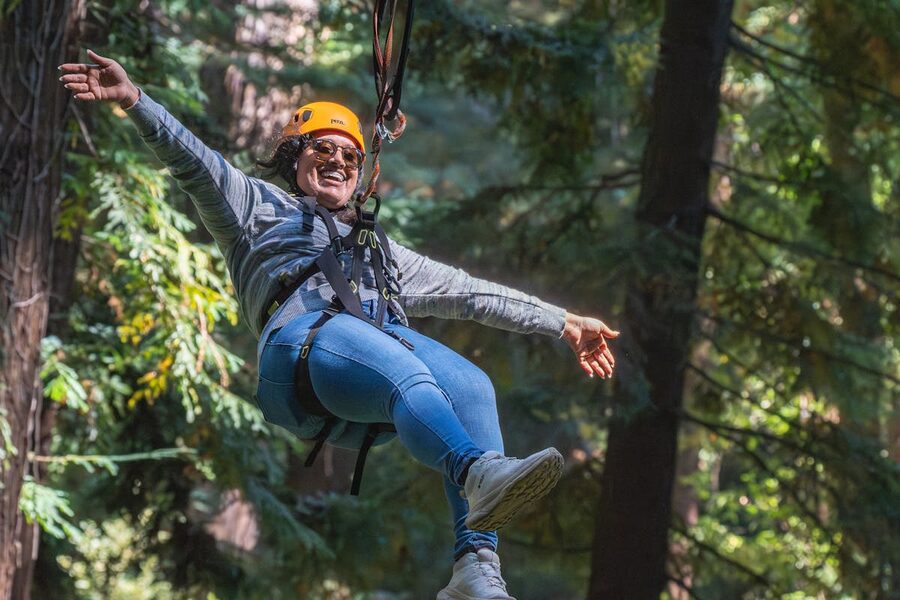
The safety briefing takes about 15-20 minutes. The guides demonstrate how the harness works, how to brake (pull on the line behind you), and what to do if you stop mid-line (sit tight, they will come get you). It is thorough without being scary.
Then you walk to the first platform. This is usually the lowest one — maybe 15-20 meters up. The first line is short, maybe 50 meters. It is a warm-up. By the third or fourth line, you are higher, the lines are longer, and you are starting to actually enjoy it instead of white-knuckling the harness straps.
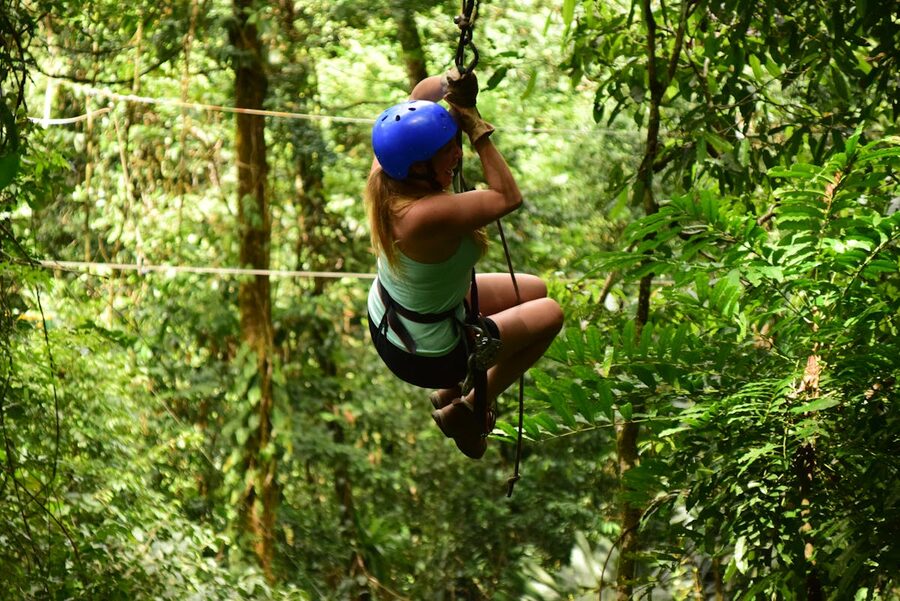
The middle section of both courses has the big lines — 200-400 meters long, at heights that make the forest floor look abstract. This is where the photos happen, where people scream with joy (or just scream), and where you realize this is genuinely one of the most fun things you can do in Thailand.
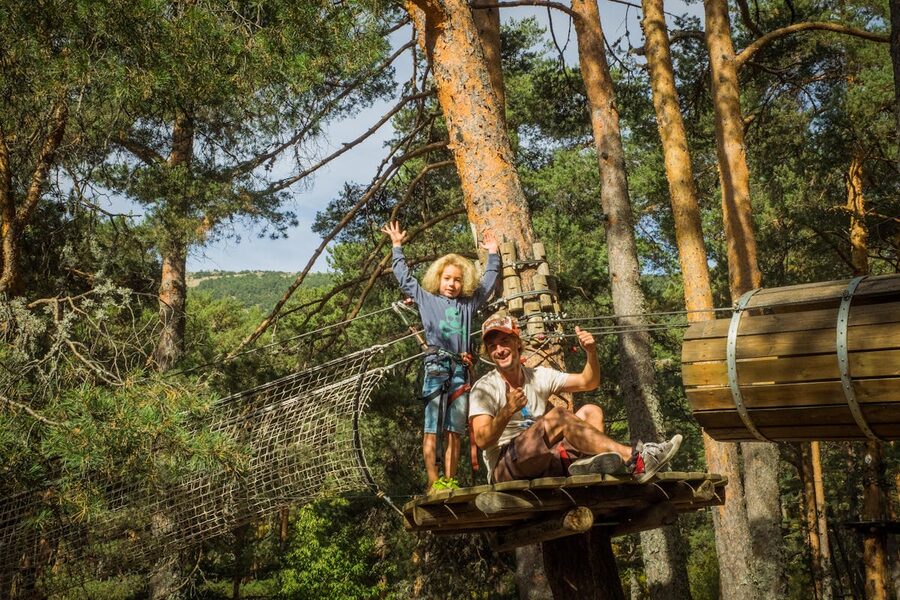
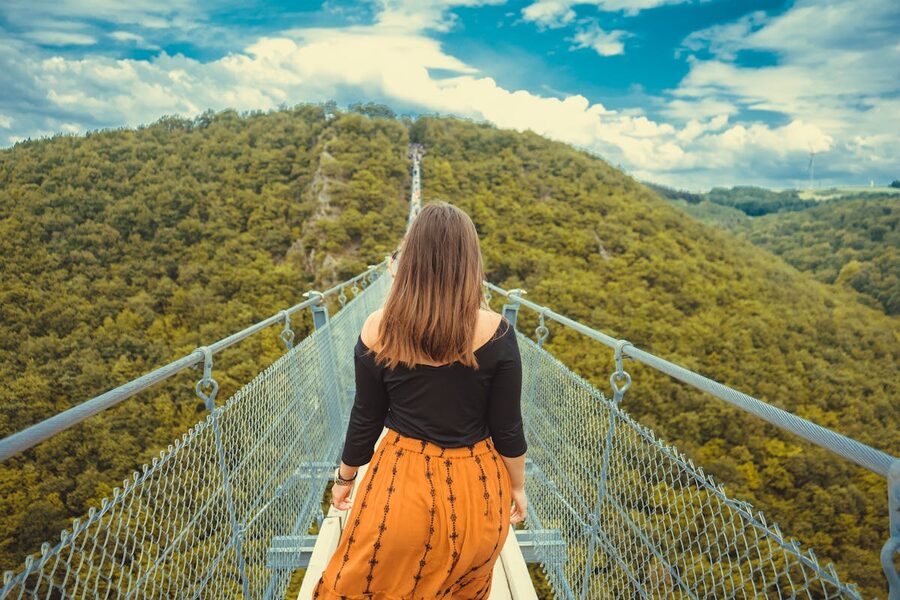
The sky bridges deserve their own mention. Between zipline platforms, you cross rope bridges, plank bridges, and net bridges. Some wobble. Some sway. The views from the bridges — looking straight down through gaps in the planks — can be more nerve-wracking than the ziplines themselves. In a good way.
Both courses end with a final big line that is meant to be the climax. At Flying Hanuman, it is a dual line where you fly alongside a partner. At Kingkong Smile, it is the longest and fastest line on the course. Either way, you land on the last platform with that specific combination of relief, adrenaline, and “can we do that again?” that marks a genuinely great experience.
Planning the Rest of Your Thailand Trip
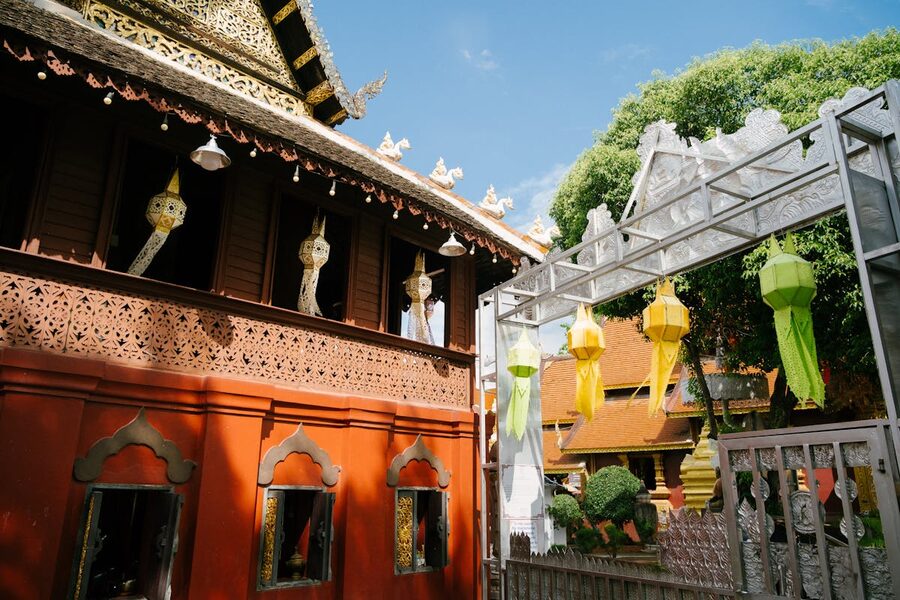
Ziplining fills half a day at most, which leaves plenty of room to build out the rest of your itinerary. In Chiang Mai, the White Temple and Blue Temple day trip to Chiang Rai works well on a separate morning, and Doi Inthanon National Park is the best mountain hike you can do from the city. If you have not already spent time with the elephants, the Phuket sanctuary is a quieter alternative to the Chiang Mai one and pairs naturally with a Flying Hanuman morning.
Phuket has enough variety that you could fill a full week without running out of ideas. The island’s interior is hillier than most visitors expect, and between the ziplines, the Phang Nga Bay boat trip, and the cultural side of the old town, there is a good rhythm of adventure and recovery days to work with.